If you’re raising livestock, you’ve probably felt the frustration: calves that grow slower than expected, hens that stop laying eggs, or cows that don’t produce the milk you know they could. Sometimes animals get sick for no obvious reason, and your feed costs keep climbing without improving results.
Choosing the wrong feed can directly hit your bottom line. Poor-quality or inappropriate feed leads to slower growth, lower yields, and higher veterinary bills. On the other hand, the right feed supports strong health, higher productivity, and cost-efficient farming. .
Types of Animal Feed
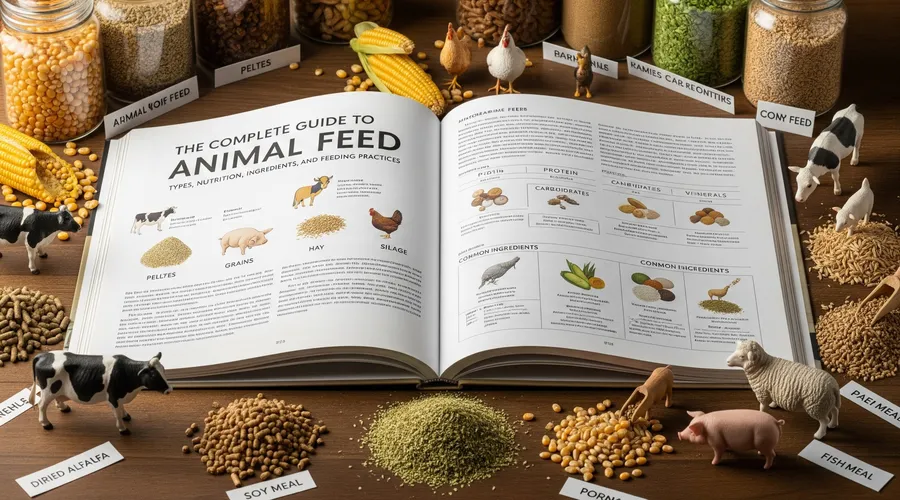
Animal feed comes in several forms, each with a specific purpose. Understanding the differences helps you provide the right nutrition for each type of livestock.
Complete Feed vs. Compound Feed
- Complete Feed
Complete feed contains all essential nutrients in the correct ratios. Animals can rely entirely on it without additional supplements. This simplifies feeding, ensures balanced nutrition, and reduces the risk of deficiencies. - Compound Feed
Compound feed is a mix of ingredients designed to complement other feeds. For example, you might mix a compound feed with hay or silage to meet the animal’s total nutrient requirements. It offers flexibility but requires careful planning to avoid imbalances.
Bottom line: Complete feed is convenient and reliable, while compound feed allows customization but demands more attention.
Concentrates
Concentrates are nutrient-dense ingredients, usually high in protein and energy, designed to supplement basic forage. They include grains, protein meals (like soybean or fish meal), and feed supplements.
- Grains provide energy for daily activities and growth.
- Protein meals support muscle development, milk production, and egg formation.
- Supplements provide missing vitamins and minerals.
Concentrates are best used when animals have higher nutritional demands, such as during growth, lactation, or intensive production periods.
Forages
Forages include hay, silage, and pasture plants. They are high in fiber and form the foundation of most livestock diets.
- Hay is dried grass or legumes, easy to store and feed.
- Silage is fermented forage, which retains more nutrients than dry hay.
- Pasture provides fresh grazing, often the most natural feed option.
While forages are essential for digestive health, they may not meet all energy or protein requirements, especially for high-production animals.
By-Products and Additives
Many animal feeds include by-products and additives to enhance nutrition or improve palatability:
- Molasses adds energy and makes feed more appetizing.
- Bran provides fiber and some protein.
- Minerals and vitamins fill nutritional gaps.
These ingredients can significantly improve feed quality when used correctly. However, overuse or poor-quality additives can reduce feed effectiveness or even harm animals.
Essential Nutrients in Animal Feed
Feeding your livestock isn’t just about filling troughs—it’s about giving them the nutrients they need to grow, stay healthy, and produce efficiently. Each nutrient plays a specific role, and missing even one can affect growth, reproduction, or overall performance.
Proteins
Proteins are the building blocks of life. They’re essential for growth, muscle development, and repairing tissues. Young animals, especially, rely on high-quality protein to reach their growth potential.
Sources of protein in feed include soybean meal, fish meal, and certain grains. For dairy cows and laying hens, protein directly affects milk quality and egg production. Without enough protein, animals may grow slowly, produce less, and be more prone to illness.
Carbohydrates & Energy
Carbohydrates are the primary energy source in animal feed. They fuel daily activity, support digestion, and drive production—whether that’s milk, eggs, or meat.
Grains like corn, wheat, and barley are common carbohydrate sources. Energy-deficient animals become weak, gain weight slowly, and fail to reach production targets. Balancing carbs with other nutrients ensures animals stay active and productive.
Fats
Fats are concentrated energy sources, providing more than twice the energy of carbohydrates or proteins per gram. They’re especially important for high-production animals, such as dairy cows in peak lactation or broilers growing rapidly.
Including fats like vegetable oils or animal fats improves feed efficiency, supports healthy skin and coat, and boosts overall energy intake without increasing feed volume.
Vitamins and Minerals
Vitamins and minerals might seem small, but they’re vital for immunity, bone health, reproduction, and overall well-being.
- Calcium and phosphorus strengthen bones and teeth.
- Vitamin A, D, and E support growth, vision, and reproductive health.
- Trace minerals like zinc, selenium, and copper keep the immune system strong.
Without adequate vitamins and minerals, animals can develop deficiencies that are costly to fix and reduce productivity.
Water
Water is often overlooked, but it’s arguably the most important nutrient. Animals can survive weeks without food but only days without water. It’s essential for digestion, nutrient absorption, temperature regulation, and milk production.
Clean, fresh water should always be available. Even mild dehydration can reduce feed intake and stall growth.
Ingredients to Look for in Quality Animal Feed
Not all animal feed is created equal. The quality of ingredients determines how efficiently your livestock converts feed into growth, milk, or eggs.
- Grains provide energy and are the backbone of most feeds. Look for fresh, uncontaminated grains.
- Protein meals like soybean, fish, or canola meal support muscle development and production.
- Vitamins and minerals fill nutritional gaps that grains and forages can’t cover.
- Fiber sources such as hay, bran, or silage aid digestion and gut health.
Avoid feeds with low-quality fillers like broken shells, dust, or excessive hulls. These add weight but little nutrition, reducing feed efficiency and potentially harming digestive health.
Quality ingredients affect not just animal health but also cost-effectiveness. High-quality feed may seem more expensive upfront but pays off in faster growth, higher yields, and lower veterinary bills.
Feeding Practices and Tips
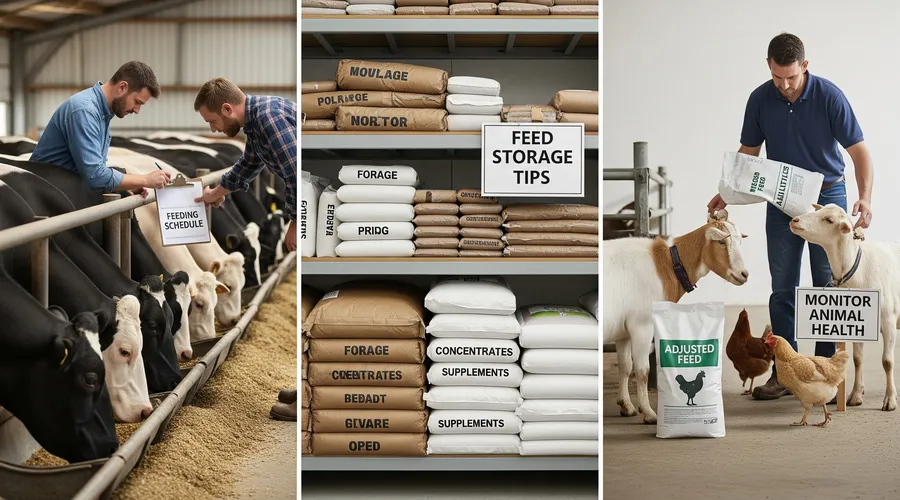
Feeding livestock isn’t just about putting feed in a trough—it’s a science and an art. The right practices can improve growth, health, and production while saving time and money.
- Create a Feeding Schedule
Consistency matters. Animals thrive on predictable feeding times. For cattle and goats, 2–3 feedings per day often work best, while poultry may need ad libitum feeding. Track amounts, monitor consumption, and adjust based on growth, age, or production stage. - Feed Storage Tips
Feed loses nutrients if stored improperly. Keep feed in dry, cool, and well-ventilated areas. Protect it from moisture, rodents, and pests. Rotate stock to use older feed first and prevent spoilage. - Mixing Feeds for Balanced Nutrition
Different animals require varying levels of protein, energy, and minerals. Combining forage, concentrates, and supplements ensures balanced nutrition. Avoid overloading protein or energy, which can harm digestion or cause waste. - Monitor Animal Health and Adjust Feed
Watch for slow growth, poor coat condition, decreased production, or signs of nutrient deficiencies. Adjust feed types, protein levels, or supplements accordingly. Regular observation ensures feed supports health and performance.
Bulk Animal Feed: Sourcing and Suppliers
Buying feed in bulk is a practical choice for cost efficiency, convenience, and consistent nutrition.
Benefits of Buying in Bulk
- Reduced price per unit.
- Fewer deliveries and lower transportation costs.
- Consistent feed quality and formulation across batches.
How to Evaluate Livestock Feed Suppliers
- Check for quality control and ingredient transparency.
- Ask about certifications and testing practices.
- Look for a track record of reliability and timely delivery.
Ensuring Consistent Quality and Traceability
Reputable animal feed suppliers provide batch information, nutrient analysis, and storage guidance. This ensures animals receive the feed they need without surprises.
Trusted Supplier Option
Midsouthfeeds.com offers a wide range of bulk animal feed, minerals, and supplements for cattle, poultry, swine, goats, horses, and more. Their consistent quality, traceable sourcing, and comprehensive product selection make them a reliable choice for farms of all sizes.
Feeds for Specific Animals

Choosing the right feed for each type of livestock ensures optimal growth, productivity, and overall health. Below is a breakdown of popular feed, mineral, and supplement options for cattle and horses, along with practical descriptions to help you select what’s right for your animals.